

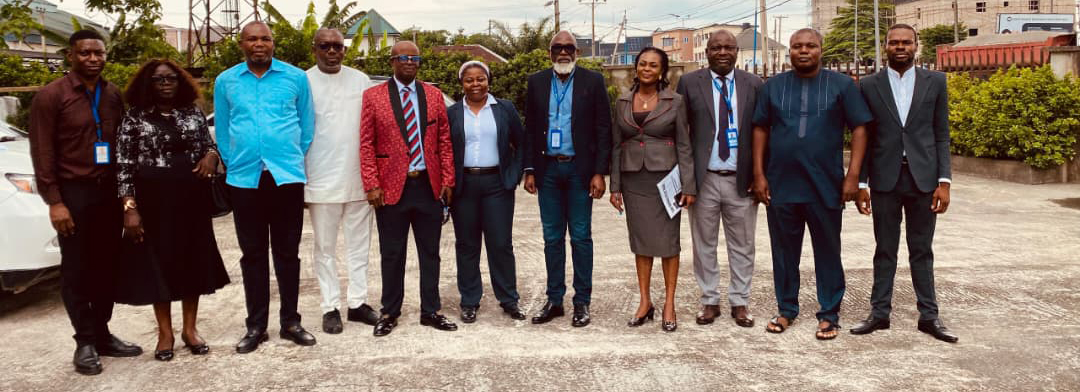
Stakeholder meeting focuses on metering, feeder upgrades and stronger accountability
The Bayelsa Electricity Regulatory Agency (BYERA) has held a major stakeholder meeting with the Port Harcourt Electricity Distribution Company (PHED), signalling a fresh push to improve electricity distribution, strengthen oversight, and address long standing service challenges across the state.
The meeting, was organised by BYERA, and the Director-General Dr. Dressman, brought together senior PHED officials, including the company’s Managing Director/Chief Executive Officer, Mr. Efe Pinnick, alongside finance and operations officers. At the heart of the discussion was the need to build a more efficient, transparent, and accountable electricity distribution system for Bayelsa.
Speaking at the meeting, Dr. Dressman stressed that electricity generation alone does not guarantee reliable supply, noting that effective regulation and sound distribution systems are essential for delivering power to homes, businesses, and public institutions.
She explained that BYERA’s objective is not to disrupt electricity supply, but to strengthen coordination, improve service delivery, and restore consumer confidence in the sector.
Bayelsa’s electricity sector continues to face serious challenges, especially in metering and revenue collection. PHED disclosed that in the last billing cycle, approximately 49% of the total billing was recovered. Response efficiency, which reflects how quickly faults and service complaints are addressed, stood at just 23%.
The low collection rate has created operational pressure for the distribution company, making it difficult to invest in infrastructure, replace transformers, and improve overall service reliability. Bayelsa’s electricity market is also heavily subsidized, with only Band A customers paying full cost-reflective tariffs, further deepening the financial strain on the system.
To tackle these issues, both parties agreed on several practical measures. Among them is the upgrade of two feeders, starting with Imiringi and Government House, to Band A. The move is expected to improve service reliability in those areas and serve as a model for better billing discipline and consumer accountability.
Another major priority is expanding metering across the state. BYERA and PHED agreed that moving more customers onto prepaid metering will reduce disputes over estimated billing, improve transparency, and encourage better payment compliance.
The agencies also established focal persons on both sides to ensure regular and effective communication, prompt issue resolution, and improved monitoring. An action tracker with clear responsibilities and timelines was adopted, alongside weekly and monthly reporting arrangements.
The meeting further highlighted the importance of consumer education. Officials noted that many residents still do not fully understand how billing works or what their responsibilities are as electricity consumers. PHED also pointed to challenges such as hostility toward bill collectors, which affects field operations and revenue recovery.
For BYERA, the meeting represents more than a regulatory engagement. It is part of a broader effort to lay the foundation for a fairer and more sustainable electricity market in Bayelsa State.
Improved regulation will not only help stabilize supply, but also support businesses, attract investment, and improve the quality of life for residents.
With the stakeholder meeting now concluded, attention is expected to shift to implementation, as both agencies work to translate commitments into tangible improvements for electricity consumers across Bayelsa.