
In an increasingly interconnected world, learning a foreign language can open doors to education, employment, research and international collaboration. For Nigerians looking to expand their opportunities, German is worth exploring. Its historical relationship with English makes it more approachable than many expect, while its relevance in Germany's academic, industrial and research sectors creates opportunities beyond the classroom.
The Connection Between English and German
English and German belong to the West Germanic branch of the Indo-European language family. Both developed from a common ancestry, which explains similarities in vocabulary and certain grammatical features.
Consider words such as house and Haus, water and Wasser, mother and Mutter, father and Vater, and brother and Bruder. Others, like hand, name and winter, exist in both languages in identical or closely related forms.
These similarities are not coincidences. Many words share historical roots inherited from earlier Germanic languages. Both languages also use nouns, verbs, adjectives and pronouns, giving English speakers familiar concepts when learning German.
However, German has grammatical features that modern English has largely lost, including grammatical gender, distinctions to show respect in formal settings, a more extensive case system and different rules for sentence construction. English therefore provides a useful foundation, but fluency still requires consistent practice.
For Nigerians who already speak English, recognising these connections can make German vocabulary easier to learn and build confidence.
Academic Opportunities
Germany is internationally recognised for its universities, scientific research and technological development. For Nigerian students and researchers, German proficiency can expand access to academic programmes, research partnerships and educational opportunities.
The German Academic Exchange Service (DAAD) provides information on scholarships and study opportunities for international students and researchers, including postgraduate and doctoral programmes. German is not compulsory for every programme in Germany, as many degrees are taught in English. However, programmes delivered in German generally require appropriate language proficiency.
Learning German can also help students navigate everyday life, communicate with local communities and explore a wider range of programmes. Researchers in fields such as engineering, anthropology, environmental studies, energy and the social sciences may benefit from access to German-language publications and stronger collaboration with German-speaking institutions.
Opportunities Beyond Academia
German can also complement professional qualifications in business, engineering, healthcare, logistics, tourism, translation and international development.
Germany maintains economic and development partnerships with Nigeria, creating opportunities for professionals who can communicate across linguistic and cultural boundaries. A Nigerian engineer who speaks German, for instance, may find it easier to collaborate with German-speaking partners, while a business graduate could apply the language in international trade, customer relations or business development.
Healthcare and vocational training offer other possible pathways. However, applicants must understand the relevant admission requirements, procedures for recognition of professional qualifications, language standards and immigration rules. Speaking German alone does not guarantee employment, scholarships or migration. Its value is greatest when combined with relevant skills, qualifications and experience.
For young Nigerians, German can therefore serve as a complementary skill that strengthens existing career paths and expands access to international networks.
Bayelsa's Growing Connection with Germany
For residents of Bayelsa State, these opportunities are particularly relevant as the state develops its engagement with Germany.
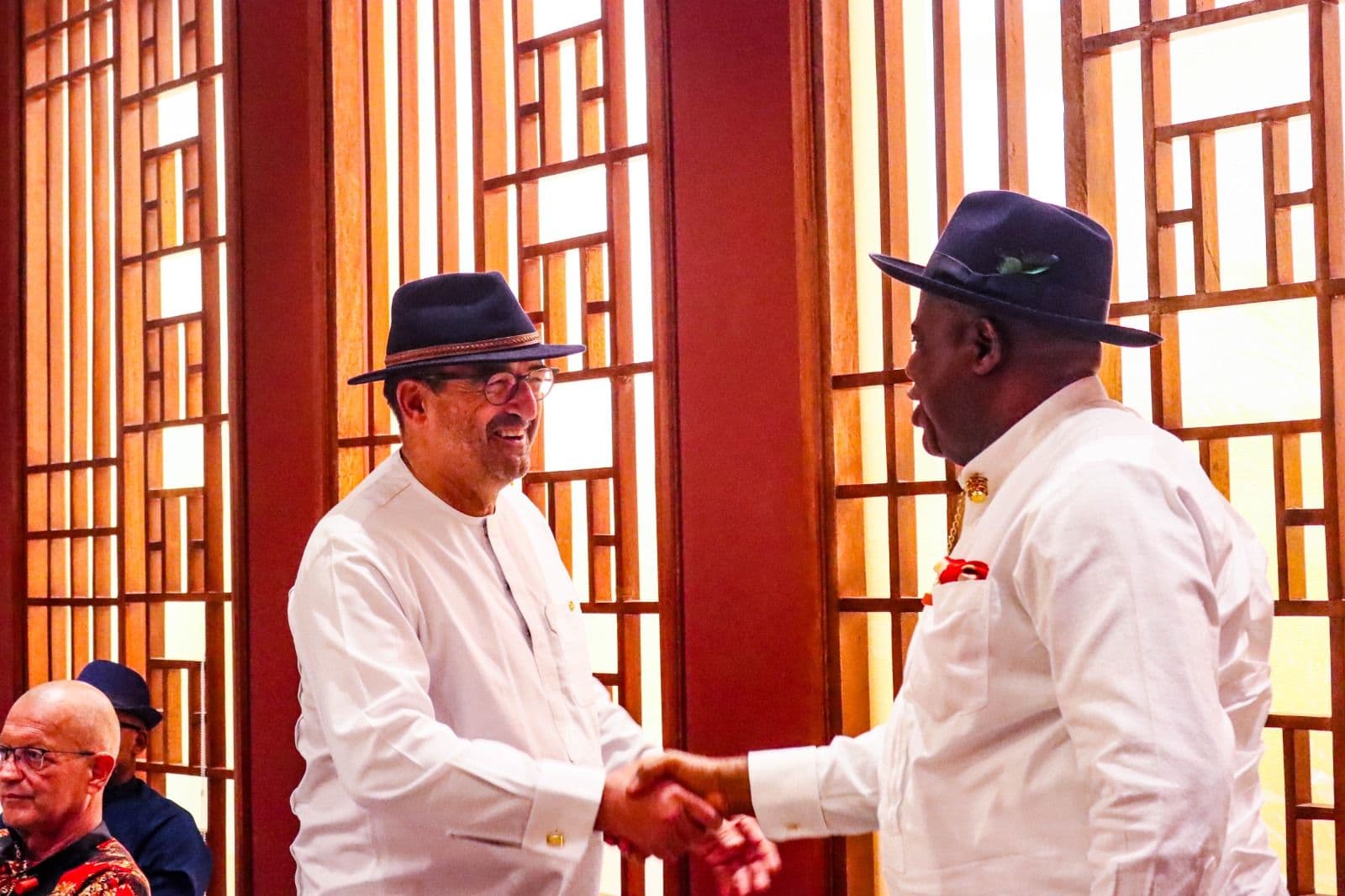
During Bayelsa's 30th anniversary celebrations in September 2026, the German Consul General to Lagos, Daniel Krull, visited the state. The visit, facilitated by the Director-General of the Bayelsa State Electricity Regulatory Authority, Dr RosaLyn Dressman, provided an opportunity to explore potential collaborations and strategic partnerships. The engagement highlighted possibilities for cooperation in areas such as energy, research, investment and development.
Bayelsans interested in travelling to Germany also benefit from the German Consulate General in Lagos, which serves the state within its consular jurisdiction. This means residents generally do not need to travel to Abuja to submit German visa applications. Applicants should confirm procedures, appointment arrangements and requirements for their particular visa category through the official German mission before making travel plans.
Beyond these diplomatic connections, interested residents can begin learning the language locally through Deutsch Connect Café, a German language learning centre in Yenagoa. Located at AfricanTide House in Kpansia, the centre offers Bayelsans an opportunity to develop German-language skills and explore German culture without leaving the state.
For students, graduates and professionals, a local learning centre provides a practical starting point for exploring opportunities in education, research and international employment.
Conclusion
The similarities between English and German give Nigerian learners a useful linguistic advantage, while German's international relevance creates opportunities in academia, business, research and professional development.
For Bayelsa, growing engagement with Germany, the availability of visa services through Lagos and the presence of Deutsch Connect Café in Yenagoa provide practical starting points for interested residents.
Ultimately, the value of learning German lies in how it is applied. Combined with relevant qualifications, professional competence and an understanding of available opportunities, the language can help Nigerians build international connections and participate more confidently in the German-speaking world.