For decades, Africa was often portrayed internationally through stories of conflict, poverty, political instability and humanitarian crises. Afrobeats has helped present a different image: one defined by creativity, confidence and ambition.
From Local Sound to Global Movement
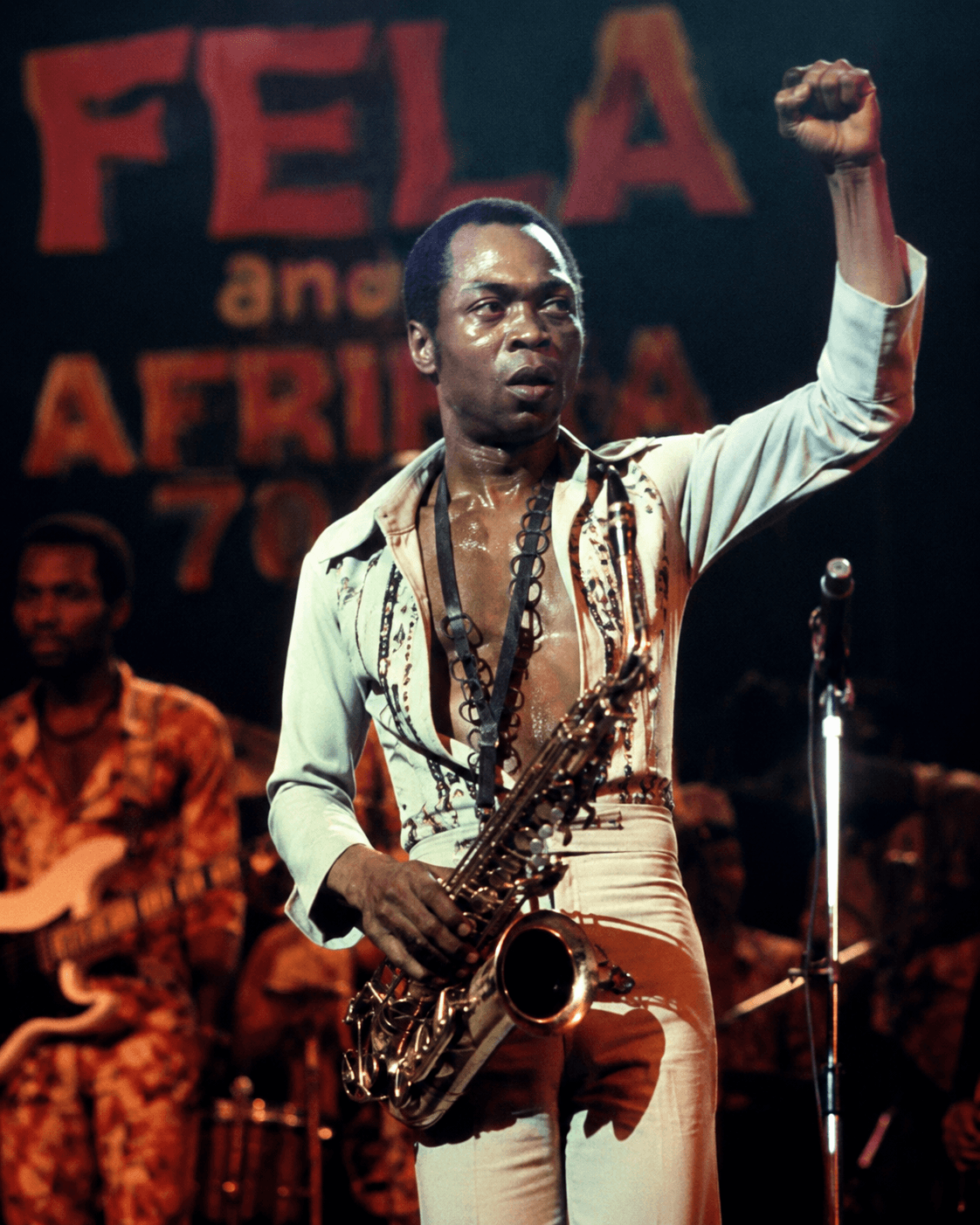
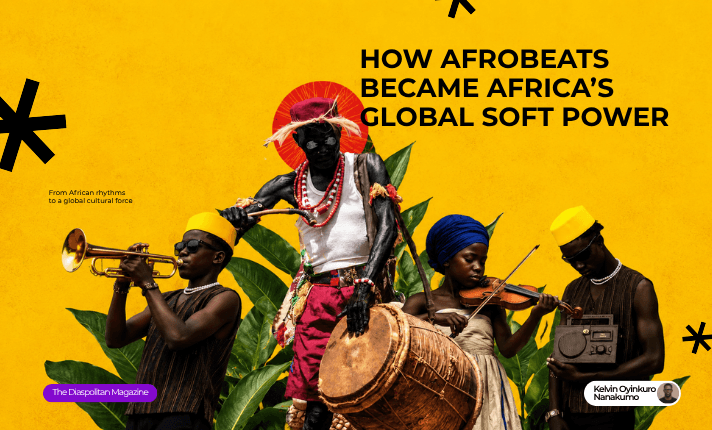
What began as a regional sound has grown into a global musical movement. Its roots run through Nigerian and Ghanaian highlife, fuji, hip-hop, R&B, dancehall, reggae, African percussion and the wider influence of Fela Kuti’s Afrobeat. Afrobeat and contemporary Afrobeats are distinct, but both belong to a long tradition of African musical innovation. Afrobeats became especially powerful because it combined unmistakably African sounds and identities with influences audiences around the world could readily understand.
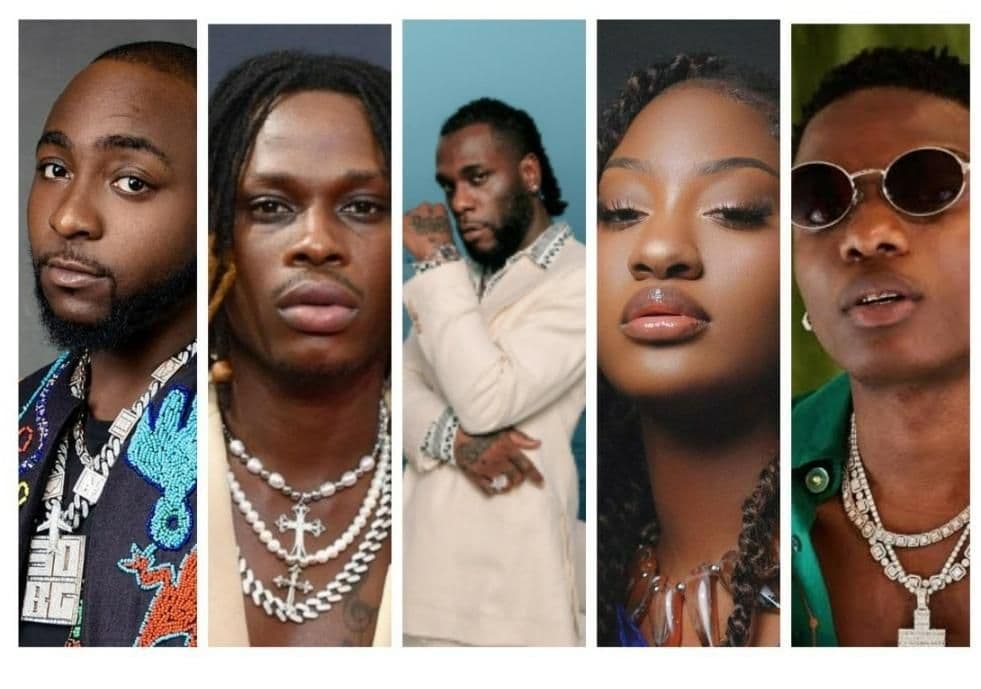
Artists such as Wizkid, Burna Boy, Davido, Tems and Rema played central roles in taking the genre beyond the continent. International collaborations and breakout songs proved that African music could compete directly in the global mainstream. Wizkid and Tems’ “Essence” became a major international hit, while Rema’s “Calm Down” reached audiences across multiple continents. These were more than commercial successes; they showed that African music was something the world actively wanted to consume.
Technology and the Removal of Gatekeepers
Technology accelerated this shift. Streaming platforms and social media lowered barriers that once made it difficult for African artists to reach international audiences. Music could travel through streaming services, viral videos, dance challenges and online communities without relying entirely on foreign labels, radio stations or television networks. An artist could create a record in Lagos and find listeners thousands of kilometres away.
More Than Music
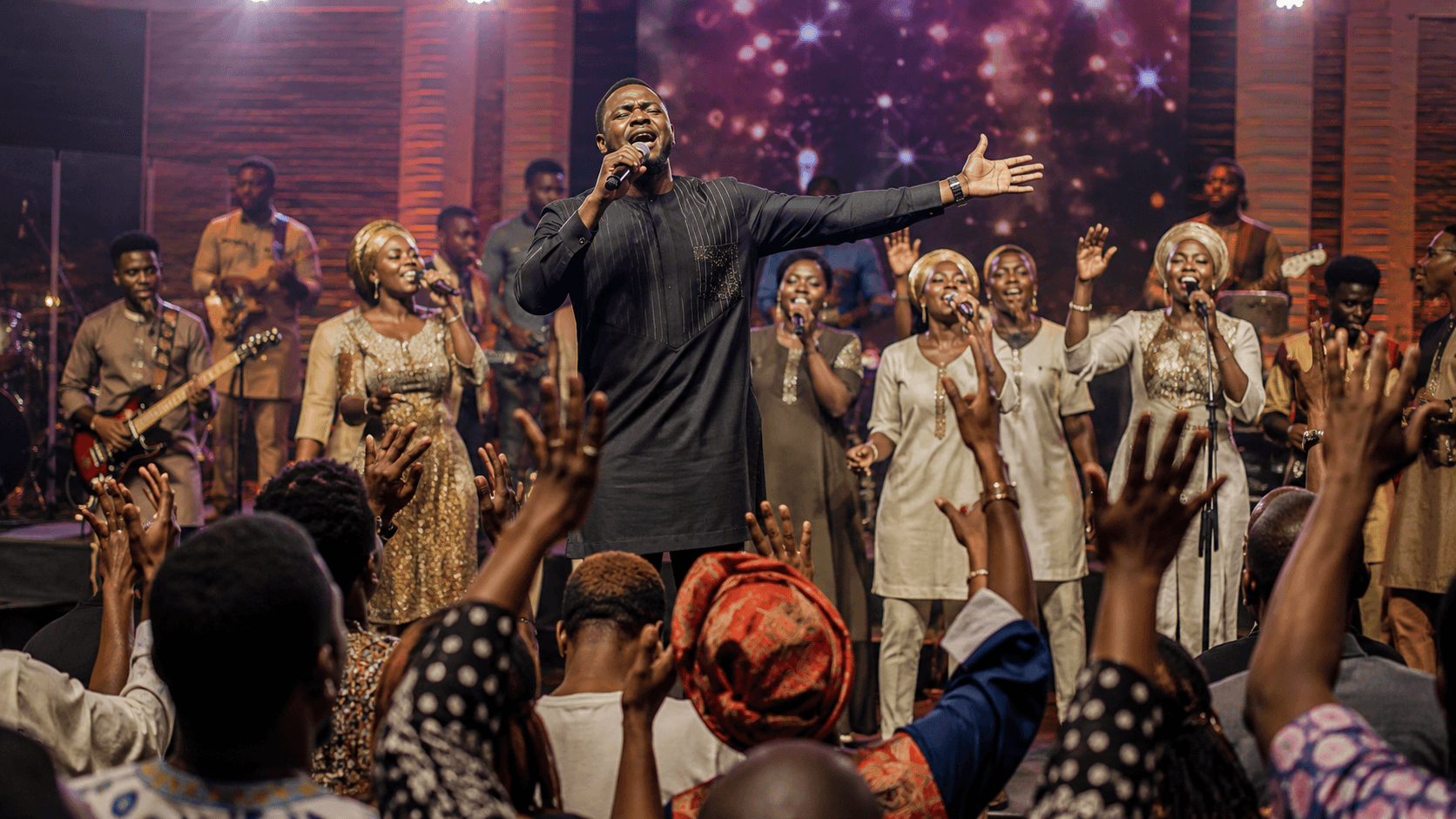
The influence of Afrobeats extends well beyond music. It exports elements of African fashion, dance, language, accent, lifestyle and contemporary culture. Through videos, performances and collaborations, audiences are increasingly encountering Africa as energetic, fashionable, creative and aspirational.
This is soft power: the ability to influence through cultural attraction rather than political or military force.
It is important, however, not to reduce Africa to Afrobeats alone. The continent holds an enormous variety of musical traditions and emerging genres, including amapiano, Ghanaian drill, highlife, fuji, kizomba and bongo flava. The growing international recognition of these sounds shows that African music is becoming more diverse as well as more influential.
The Challenge: Turning Attention into Ownership
There remains a significant challenge. Global recognition does not automatically mean Africa captures the full economic value of its creativity. Weak infrastructure, limited financing, inadequate intellectual-property protection and underdeveloped music-business systems can mean much of the value generated by African artists is captured elsewhere.
The next stage is therefore to convert cultural influence into economic power. That will require stronger record labels, publishing systems, management companies, distribution networks, live-entertainment infrastructure and robust intellectual-property frameworks.
Afrobeats has demonstrated that African culture does not need to become less African to become global. Its greatest strength has been its distinctiveness. By giving the world something it genuinely wanted to hear, it created a new way for people to engage with Africa. The task now is to turn that attention into lasting influence across fashion, film, technology, tourism, business and diplomacy.