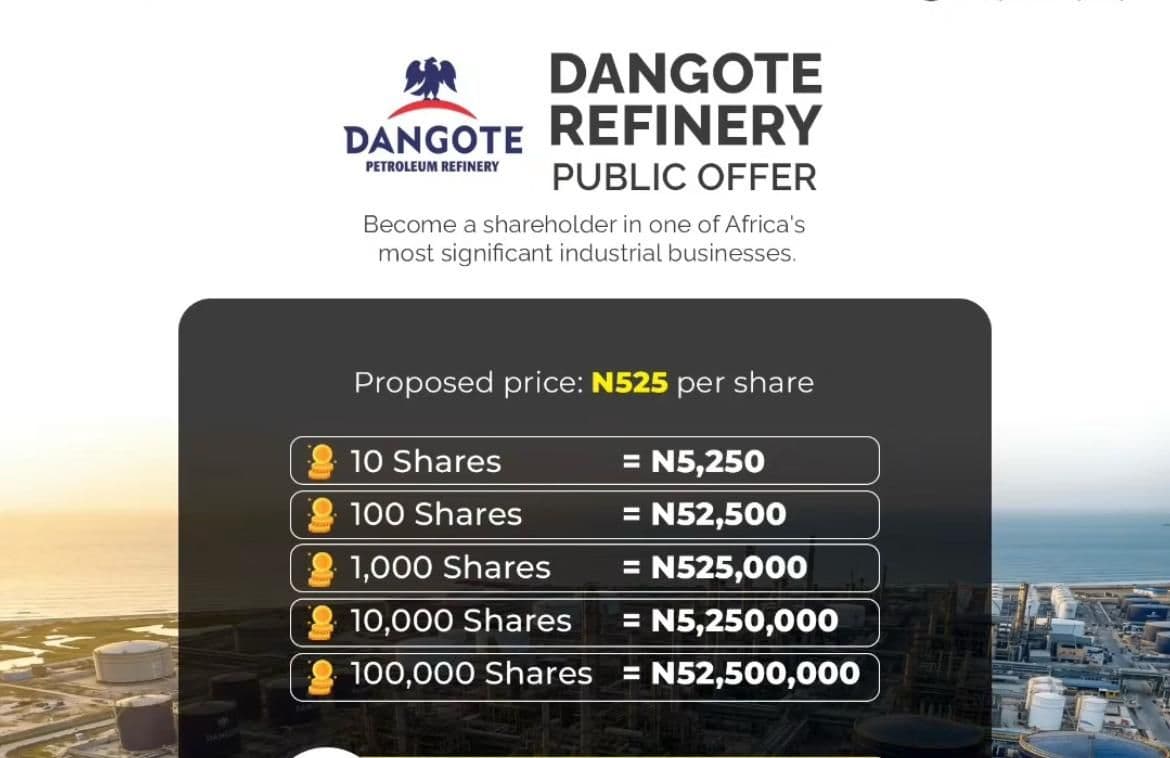

Nigeria has made costly mistakes with crude oil. Since commercial production began in 1958, the country has spent nearly seven decades building an oil industry in which foreign companies have played a dominant role in exploration, production, technology and investment.
In many deepwater arrangements, for example, production-sharing contracts have historically run for about 30 years: up to 10 years for exploration and 20 years for production under an Oil Mining Lease, with provisions for renewal. In effect, foreign firms were granted very long windows to explore and produce Nigerian petroleum in exchange for capital, technology and expertise.
That history matters now, because Nigeria is looking at another enormous resource base.
What the $700 Billion Actually Means
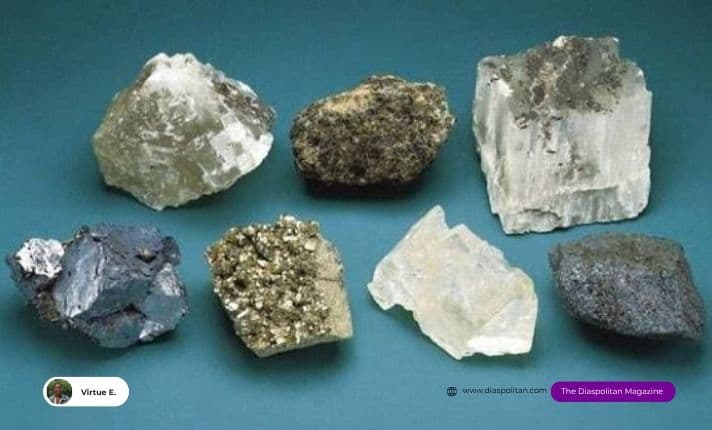
The Federal Government estimates that Nigeria holds more than $700 billion worth of solid mineral resources. According to the Ministry of Solid Minerals Development, at least 44 minerals exist in commercial quantities, spread across more than 500 locations in all 36 states and the Federal Capital Territory. These include gold, iron ore, lithium, tin, lead, zinc, limestone, barite, coal, bitumen, copper and phosphate.
Against this backdrop, Nigeria and the United States have signed a framework agreement designed to attract American investment into the sector. The agreement covers geological data and exploration, mineral development and processing, infrastructure and technical capacity. It is intended to create a foundation for business-to-business transactions and investment projects.
This is where a major misunderstanding needs to be cleared up.
Nigeria has not signed away $700 billion worth of minerals to America. America has not paid Nigeria $700 billion. Nigeria has not announced any plan to collect $700 billion from the United States.
The $700 billion is an estimate of the potential value of Nigeria's mineral endowment. The agreement is a framework for attracting investment into that endowment. The actual mining projects, licences, ownership structures, royalties, taxes, processing agreements and other commercial terms will have to be established through subsequent transactions.
Why America Is Interested
For American companies, the agreement offers access to one of the world's potentially significant mineral markets. US firms can provide mining equipment, technology, financing, energy systems, security systems, technical expertise and processing capacity, while gaining commercial access to minerals central to modern industry.
This is particularly relevant for critical minerals. Nigeria has confirmed reserves and occurrences of lithium, tin, niobium, tantalum, manganese, iron ore, lead and zinc. Lithium, for example, has been identified in Nasarawa, Kwara, Kogi and Ekiti States.
Where the Minerals Are
The resources are spread across the country. Gold is particularly associated with the schist belts of the North-West and South-West, with Zamfara, Kebbi, Kaduna, Niger, Osun, Oyo and Kwara among the areas under exploration. Tin is strongly linked to Plateau and Bauchi, while iron ore occurs in Kogi, Benue, Nasarawa and elsewhere. Lead and zinc are prominent in Ebonyi, Benue and other states.
The Nigeria Geological Survey Agency itself is currently undertaking exploration and mapping work covering gold, nickel, cobalt, copper, lithium, iron ore, rare earth minerals and other resources.
Early Deals Are Already Emerging
The first commercial partnerships are already taking shape. Promethean Resources, a Nigerian minerals company, has entered into partnerships with US companies Vermeer Corporation, Renewvia Energy and Terra Industries. The announced collaborations involve mining technology, renewable energy, battery storage, mini-grids and technology-enabled security. The mineral portfolio specifically mentioned includes iron ore, tin, lithium and gold.
The Real Test: Value Addition or Raw Export?
This is where both opportunity and risk begin.
Nigeria could benefit enormously if foreign investment helps the country move beyond extracting and exporting raw materials. More processing inside Nigeria could create jobs, build technical skills, strengthen Nigerian businesses and create industries around the minerals themselves. The Federal Government has said that local processing and value addition are central objectives of the partnership.
The opposite outcome is also possible. If Nigeria focuses mainly on issuing mining rights and exporting raw minerals, while foreign companies capture most of the higher value through equipment, financing, processing and international marketing, the country could once again find itself supplying valuable resources while much of the wealth is created elsewhere.
That is why the individual contracts that follow this framework matter more than the signing ceremony itself.
What It Could Mean Beyond Mining
For Nigerian entrepreneurs, the development is not only about mining companies. It could open opportunities across logistics, equipment maintenance, software, environmental services, laboratory testing, construction, renewable energy, security technology, transportation, data services and mineral processing.
STEM graduates could also find new openings in geology, geophysics, mining engineering, metallurgy, chemistry, environmental science, GIS and remote sensing, data analysis, renewable energy, robotics, automation and engineering services.
In other words, the US partnership does not automatically mean Nigeria is giving away another resource. It means Nigeria is opening another door to foreign investment.
What happens after that door opens will determine the story. If the partnerships produce local processing, Nigerian ownership, skilled jobs, strong regulation, fair royalties and businesses that grow around the mineral value chain, Nigeria could turn its underground wealth into above-ground wealth.
If the country repeats past mistakes, the minerals may become another resource extracted from Nigeria while the greatest value is created elsewhere.
Therefore, Nigeria has not received the $700 billion. It is the value Nigeria says lies beneath its soil. The real question is how much of that value Nigerians can capture.