
The 2027 general election is fast approaching, and tension is rising with it. Within the All Progressives Congress (APC), the stakes have grown higher as the party seeks to retain power, despite already controlling governorships across much of the country.
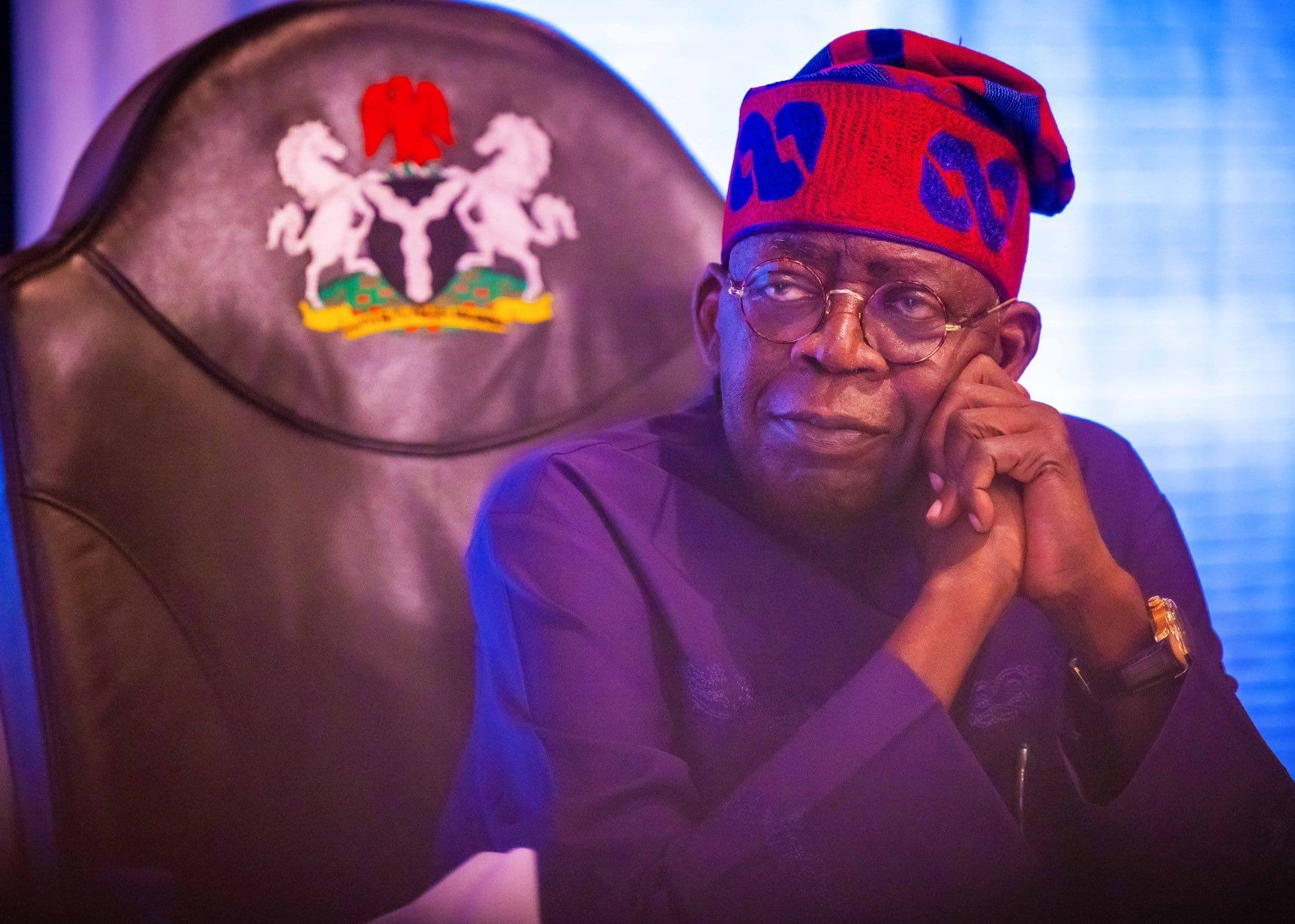
The presidency of Bola Ahmed Tinubu has been marked by an unconventional political approach. During the party primaries ahead of the last election, he aligned himself with political figures outside the main tier of the party hierarchy. To some observers, his emergence was unexpected, as was his victory in the 2023 general election, when he built alliances that included members of the PDP led by the G5.
A similar pattern is emerging ahead of 2027. The re-elected governor of Osun State, who contested on the platform of the Accord Party, has signalled strong support for the President's re-election. The Wike-led coalition is also mobilising support for President Tinubu across party lines.
Support From Outside, Pressure From Within
With this broadening of support has come tension and confusion. Recently, the APC Governors' Forum rejected any coalition or political arrangement that could undermine the party or its candidates ahead of 2027. According to the forum, its members would not support or endorse any alliance capable of weakening the APC, undermining the President's re-election bid, or adversely affecting APC candidates at any level.
For some party members, the concern is that such coalitions could hamper the ambitions of fellow APC members because of alliances with politicians from other parties. While the alliances may be presented as efforts to support the presidency, they could have consequences for state and local elections, where members of the same coalition may still field candidates against APC candidates.
This is where the build-up to 2027 begins to take a different shape. The question is no longer simply about who supports the President at the presidential level, but about what happens to the political interests and candidates of various parties at state and local levels. Wike, for instance, has maintained that his Rainbow Coalition is primarily about mobilising support for President Tinubu's re-election and is not an extension of the APC.
An Unusual Alignment
This creates an unusual political situation in which individuals and groups from different political parties can support the same presidential candidate while maintaining separate interests in other contests. It is this arrangement that has raised concerns within the APC, particularly among governors who want the party's structure to fully support its candidates at every level.
The build-up to 2027 is therefore exposing the complexities of political alliances in Nigeria. The presidency may welcome support from outside the APC, while the party itself must protect the interests of its candidates across different levels of government.
As the election draws closer, these alliances, counter-alliances and political calculations are likely to remain a major part of the conversation. What started as an attempt to broaden support for the presidency is now raising questions within the ruling party about loyalty, party structure and the interests of candidates competing for different offices.
The real test may not only be the ability of the APC to retain the presidency, but how it manages the competing political interests emerging around the 2027 election. The coalition may bring different political forces together in support of one presidential ambition, but those same forces may find themselves competing against one another when the contest moves to state and local levels. That is where the tension, uncertainty and political calculations surrounding 2027 may become even more significant.