

The Niger Delta Women Development and Empowerment Initiative, NIDWEI, has begun its work with a clear focus on strategic engagement, taking its advocacy for women’s leadership to key political stakeholders in Bayelsa State.
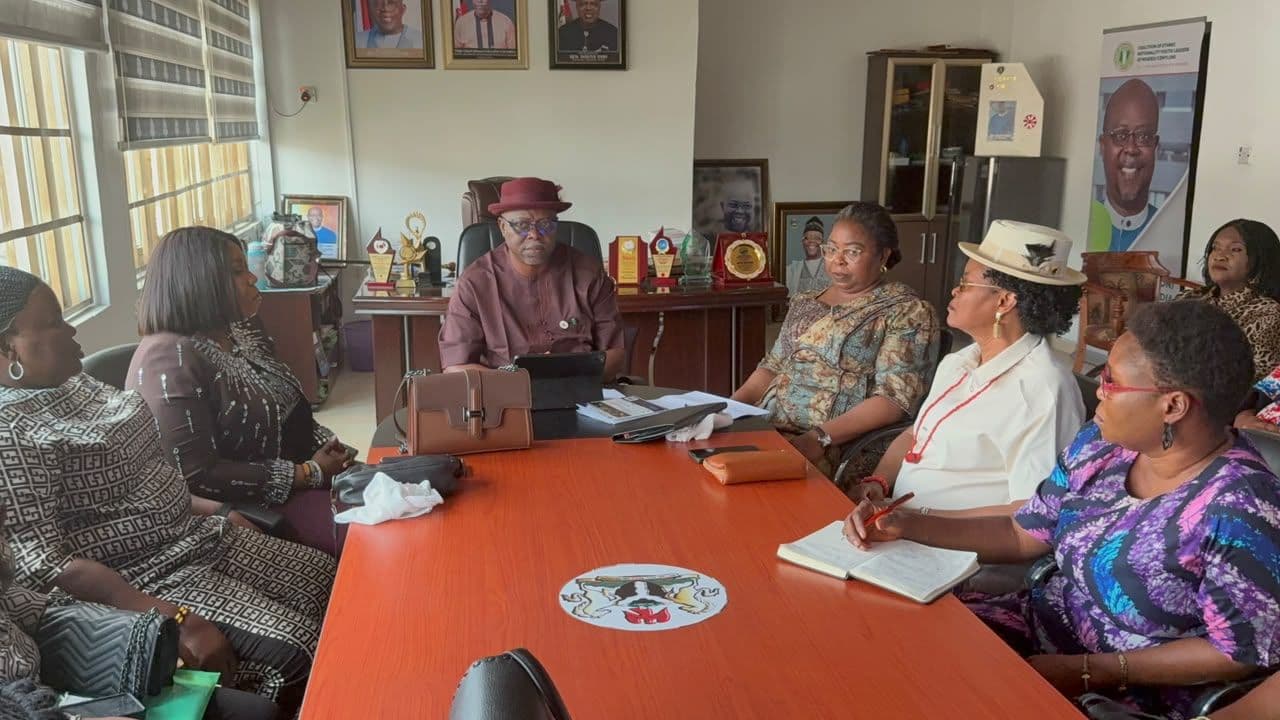
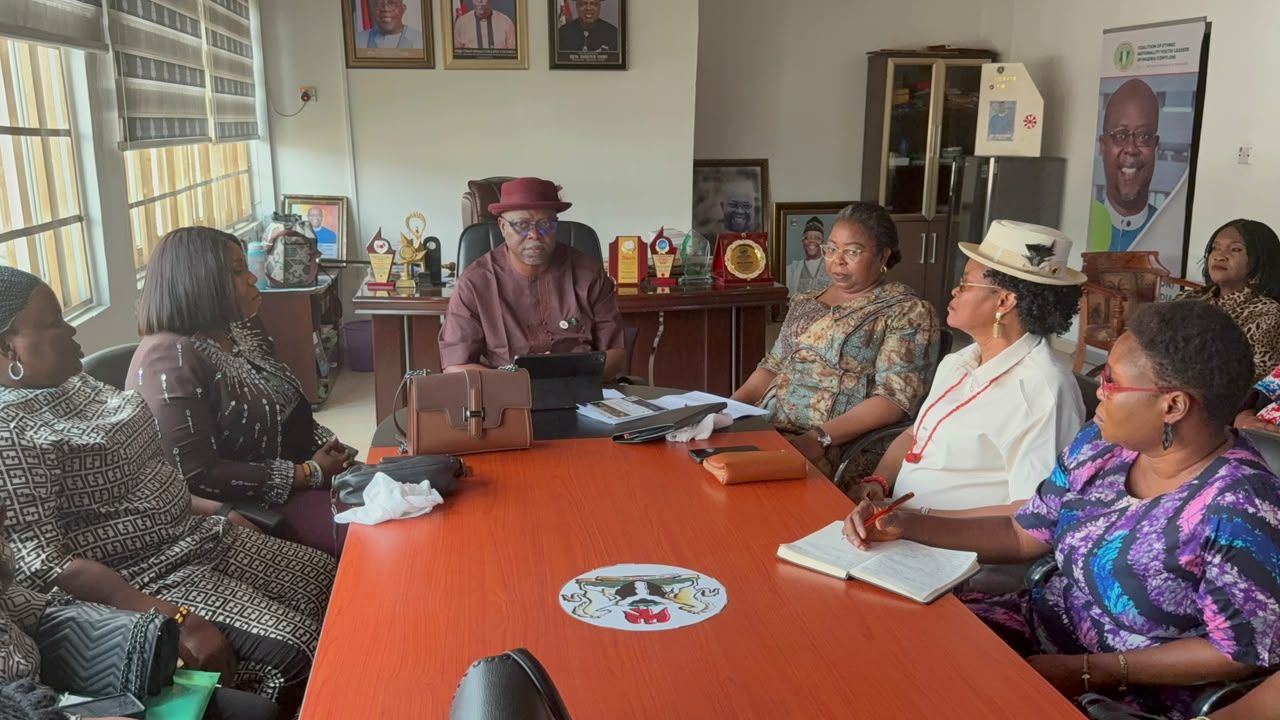
In courtesy visits on 29 October 2026, the organisation met the Special Adviser to the Governor on Political Matters, Chief Collins Cocodia, and the Bayelsa State Chairman of the All Progressives Congress, Hon. Dennis Warman Ogoriba, to present its vision and seek institutional support.
For an organisation that intends to operate across the nine states of the Niger Delta, beginning at the heart of Bayelsa’s political structure signals an understanding that meaningful inclusion requires more than mobilisation. It requires relationships, networks and sustained engagement with the institutions that shape political participation and governance.
Beyond Election-Season Mobilisation
Leading the delegation, Chairperson Dr Rosalyn Dressman said NIDWEI was established to provide a permanent platform for women’s development, beyond the conventional practice of involving women primarily during elections.
Women must no longer be regarded merely as instruments for electoral mobilisation, she argued, providing votes and support without corresponding opportunities to participate in leadership and decision-making.
NIDWEI, she explained, intends to change that narrative by promoting civic education, political awareness, professional development and continuous engagement with government. Its aim is to create pathways for women to contest and occupy political office, rather than remain on the sidelines.
At the meeting with the Special Adviser on Political Matters, Dr Dressman described NIDWEI as a platform through which women can become more organised, visible and influential. The organisation will not limit its work to election seasons, she said, but will remain engaged in the daily business of politics, including holding government to account and advocating for women’s interests.
She stressed that NIDWEI is not another conventional women’s association built around ceremonial activity or political entertainment. Rather, it is intended as a professional and sustainable platform where women can support one another, build capacity and advance shared interests.
Stakeholders Respond
That vision received an encouraging response. Chief Cocodia commended the initiative and expressed confidence in Dr Dressman’s leadership. He acknowledged the challenges of sustaining women’s organisations and urged members to demonstrate genuine solidarity by protecting one another’s interests and supporting women who aspire to lead. He assured the delegation that his office remains open and pledged support where possible.
The engagement with the Bayelsa APC Chairman further strengthened NIDWEI’s entry into the political structure. Hon. Ogoriba said the organisation’s objectives were clearly articulated and showed determination to achieve meaningful results.
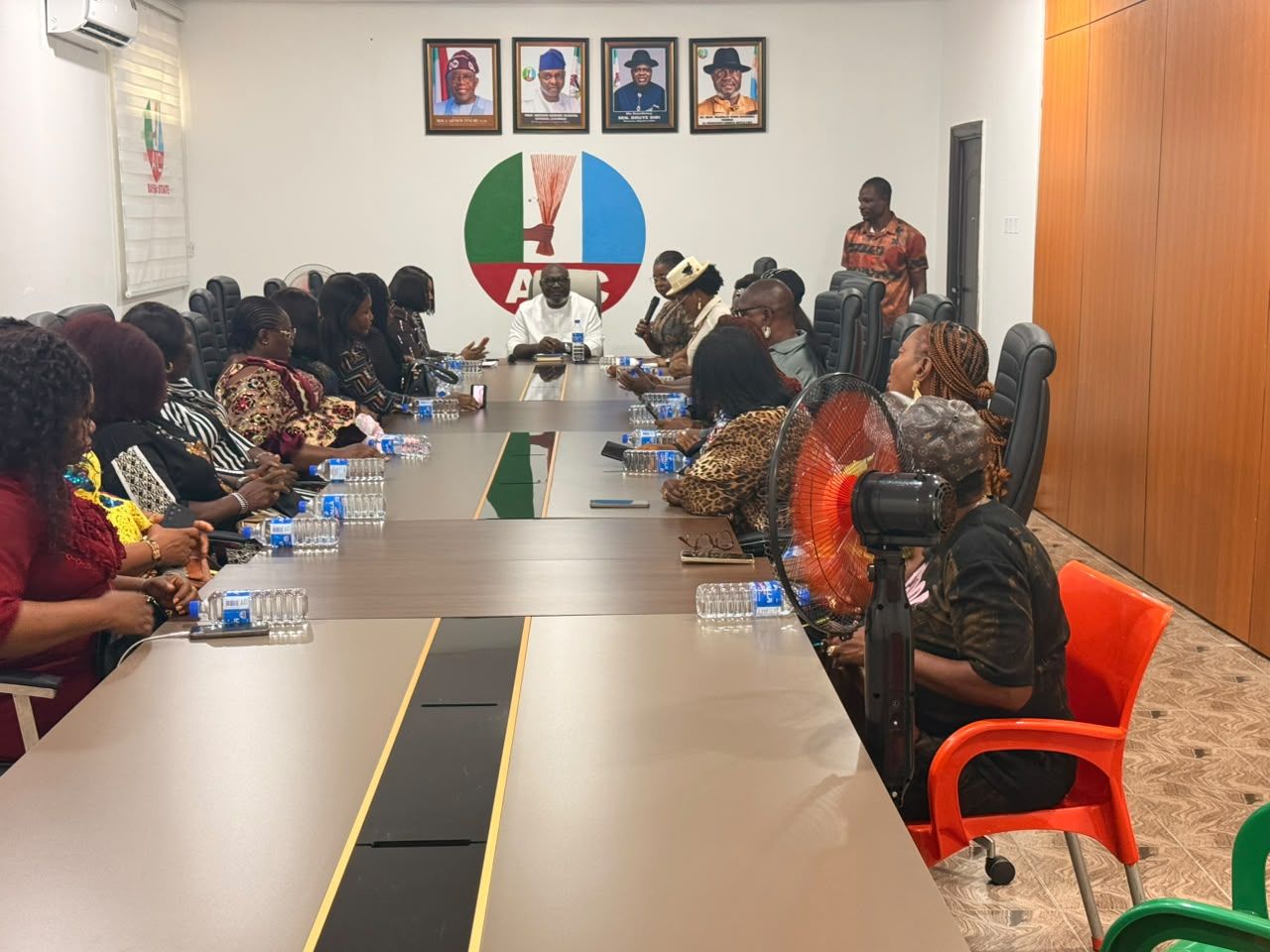
He assured the delegation of the party’s willingness to partner within its capacity, while encouraging members to build relevance and strengthen grassroots presence. He invited NIDWEI to participate in the party’s forthcoming zonal rally in Port Harcourt and disclosed that the organisation would be considered for inclusion in some party programmes.
Beyond assurances of support, he encouraged women to recognise their capacity and not approach political leadership as though begging for positions. Drawing on his experience in the National Assembly, he acknowledged the contributions of women within the legislative system and urged members to demonstrate ability and relevance in the political space.
A Regional Ambition Starting from Bayelsa
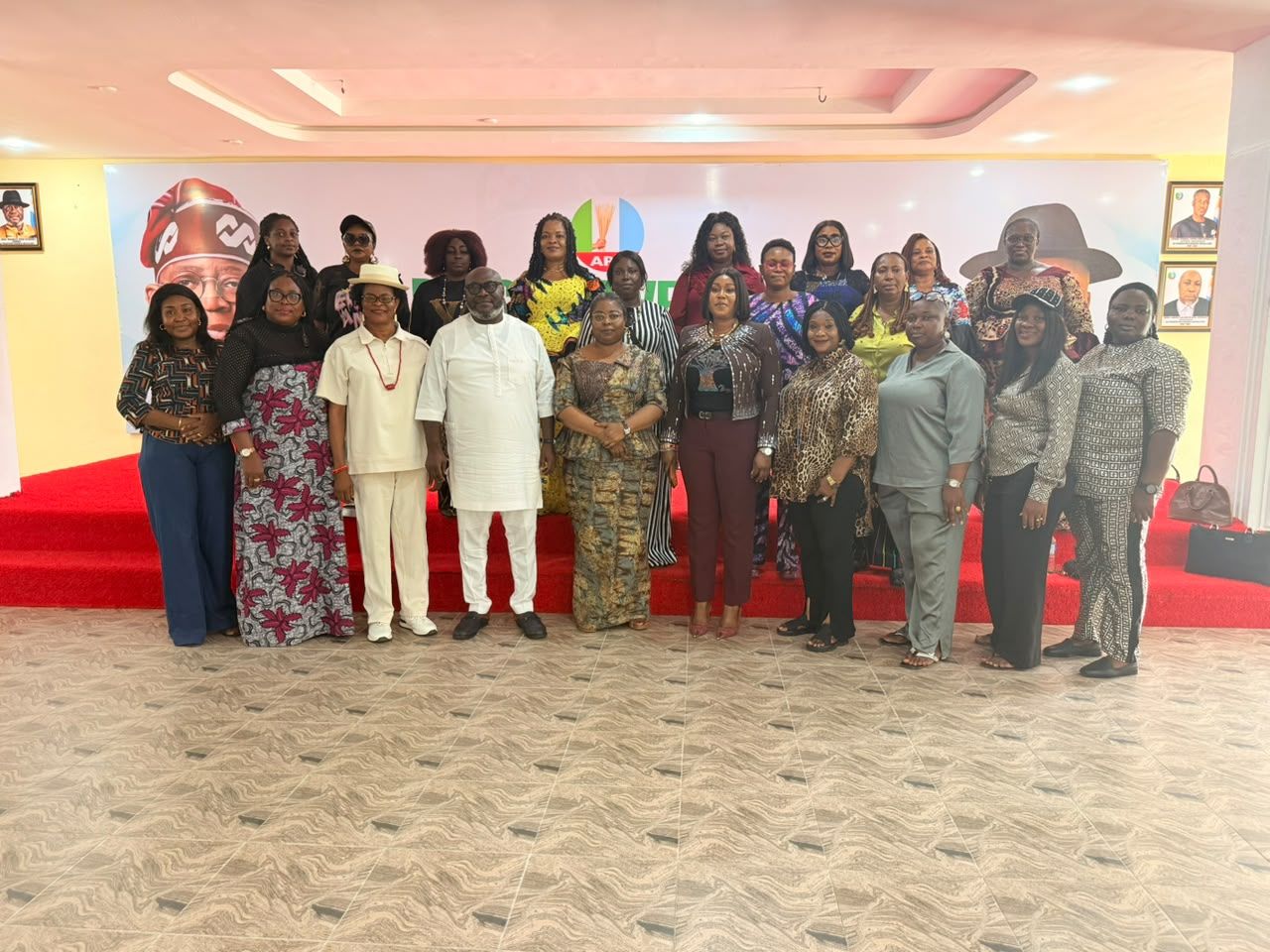
For NIDWEI, the ambition extends beyond Bayelsa and beyond any single political party. Dr Dressman reiterated that the organisation was established for women across the Niger Delta, with Bayelsa serving as its starting point and operational base. Its broader objective is to build a network of women capable of influencing leadership, strengthening communities and contributing to regional development.
Achieving that vision will require deliberate investment in members, she noted, including foundational civic and political education, professional development and a structured membership system that enables participation across communities.
These initial engagements represent an important first step. By approaching political stakeholders early, introducing its objectives and establishing channels for collaboration, NIDWEI is laying the groundwork for the advocacy and grassroots mobilisation its regional ambitions demand.
Ultimately, the organisation seeks to shift women’s position in the Niger Delta’s political equation, not merely as voters, campaign mobilisers or supporters, but as informed citizens, candidates, decision-makers and leaders.
Its journey has begun, and its first steps suggest an intent to build the relationships and structures needed to turn that ambition into reality.