
For many Nigerians, the relationship with electricity service providers has not always been a pleasant one. Poor customer service and limited engagement have contributed significantly to frustration around electricity supply. People use electricity every day, yet many consumers are still oblivious to how it is generated, transmitted, distributed and billed. When there is a problem, the customer often meets the distributor at the end of the chain, even when the issue may have started elsewhere.
For decades, Nigerians have had one familiar name for their electricity provider: NEPA. Since 1972, the name has remained deeply rooted in the Nigerian experience, even though the sector has gone through several reforms and changes in ownership and structure. The average consumer may know that power comes through a distribution company, but may not necessarily understand how the entire system works or where responsibilities lie.
This gap between providers and the people they serve is one of the things the Bayelsa State Electricity Regulatory Authority, BYERA, is beginning to address.
What Happened at the Clinic
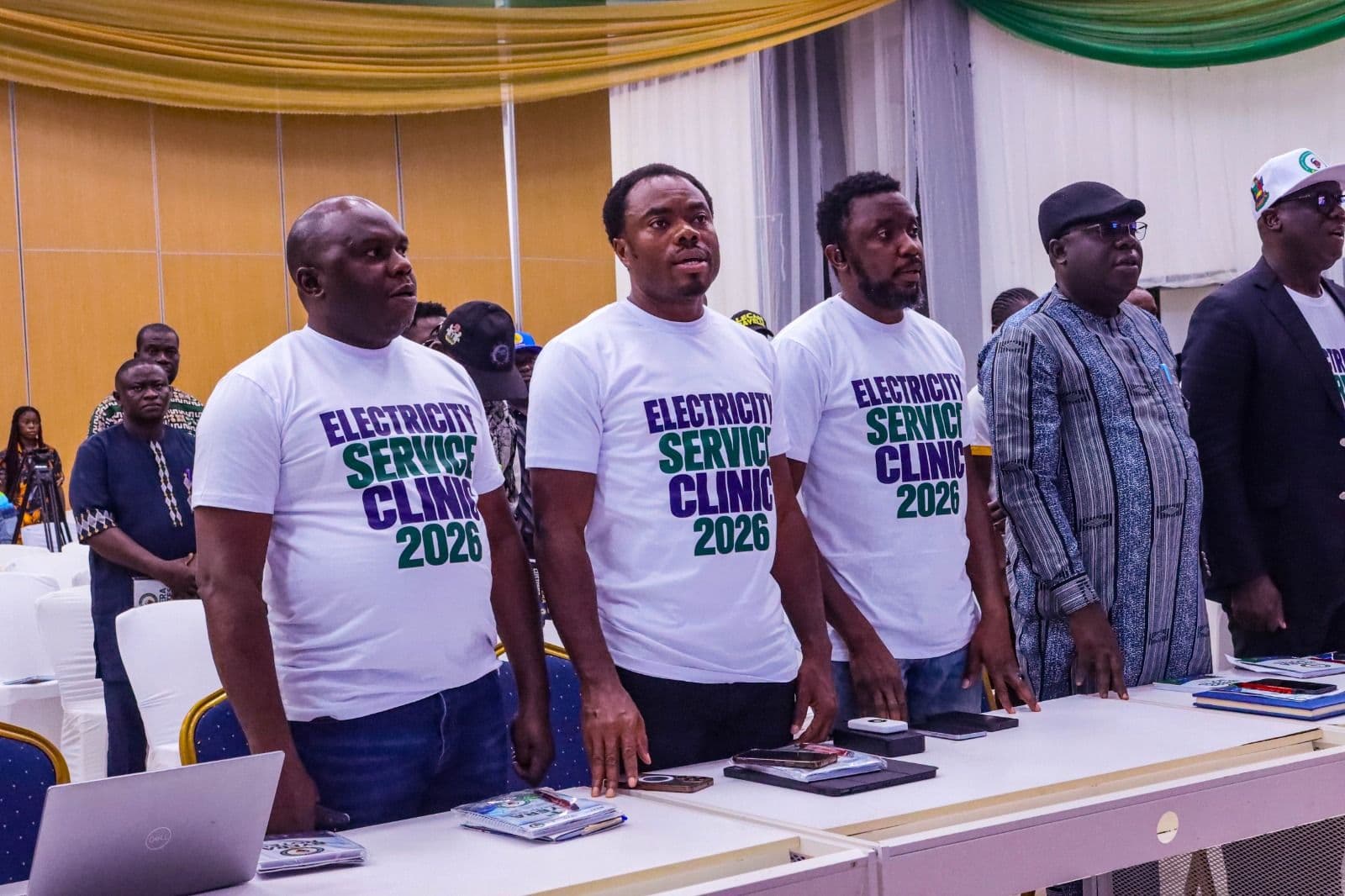
On 3 September 2026, BYERA hosted its first Electricity Service Clinic at the Banquet Hall in Yenagoa, bringing together electricity consumers, the Port Harcourt Electricity Distribution Company (PHED) and the Bayelsa Electricity Distribution Company (BYEDC). The programme was designed not just to talk about electricity, but to give consumers a clearer understanding of the electricity market and create a direct channel for addressing their concerns.
The sensitisation session began with BYERA Director General, Dr RosaLyn Dressman Keremah, explaining the new Bayelsa electricity regulatory framework and what it means for consumers. PHED also addressed network performance, feeder challenges and its plans to improve service across the state.
Another major part of the discussion was tariffs and service bands. The discussion explained what the different bands mean and how supply levels relate to the tariffs consumers pay. BYERA also discussed metering, estimated billing and consumer protection, while PHED addressed billing and customer account reconciliation.
The discussions focused on consumer rights and responsibilities, and how customers can lodge complaints and seek resolution under the BYEDC and BYERA regulatory framework. The sensitisation ended with an interactive town hall where customers could ask questions and raise concerns directly with the agencies responsible for regulation and distribution.
But the programme did not end with conversations.
Beyond Conversation: Resolving Complaints
The clinic provided dedicated desks where consumers could raise specific problems that need attention. There were desks for billing, technical issues involving transformers and other infrastructure, metering, and wrongful disconnection or reconnection.
More importantly, complaints were not just received, shelved and forgotten. Each complaint was assigned a reference number. Issues that could not be resolved immediately were entered into a joint BYERA and PHED resolution register, identifying the responsible officer and setting a completion deadline.
That is an important difference, because customer engagement should not end with telling people what the system is. It should also give them a clear path to getting problems addressed.
What Comes Next
The first BYERA Electricity Service Clinic therefore represents a step towards a different kind of relationship between electricity providers and consumers in Bayelsa. It is a move from customers simply receiving electricity and complaining when things go wrong, to consumers understanding the system, knowing their rights and having a clearer channel to address their concerns.
And this is only the beginning.
BYERA and BYEDC are expected to continue with more service clinics, creating further opportunities for consumers to ask questions, resolve complaints and better understand the electricity system. For Bayelsa, the goal is not simply to have more conversations about electricity, but to build a renewed electricity experience where consumers are better informed, better heard and more actively connected to the system that powers their homes, businesses and communities.