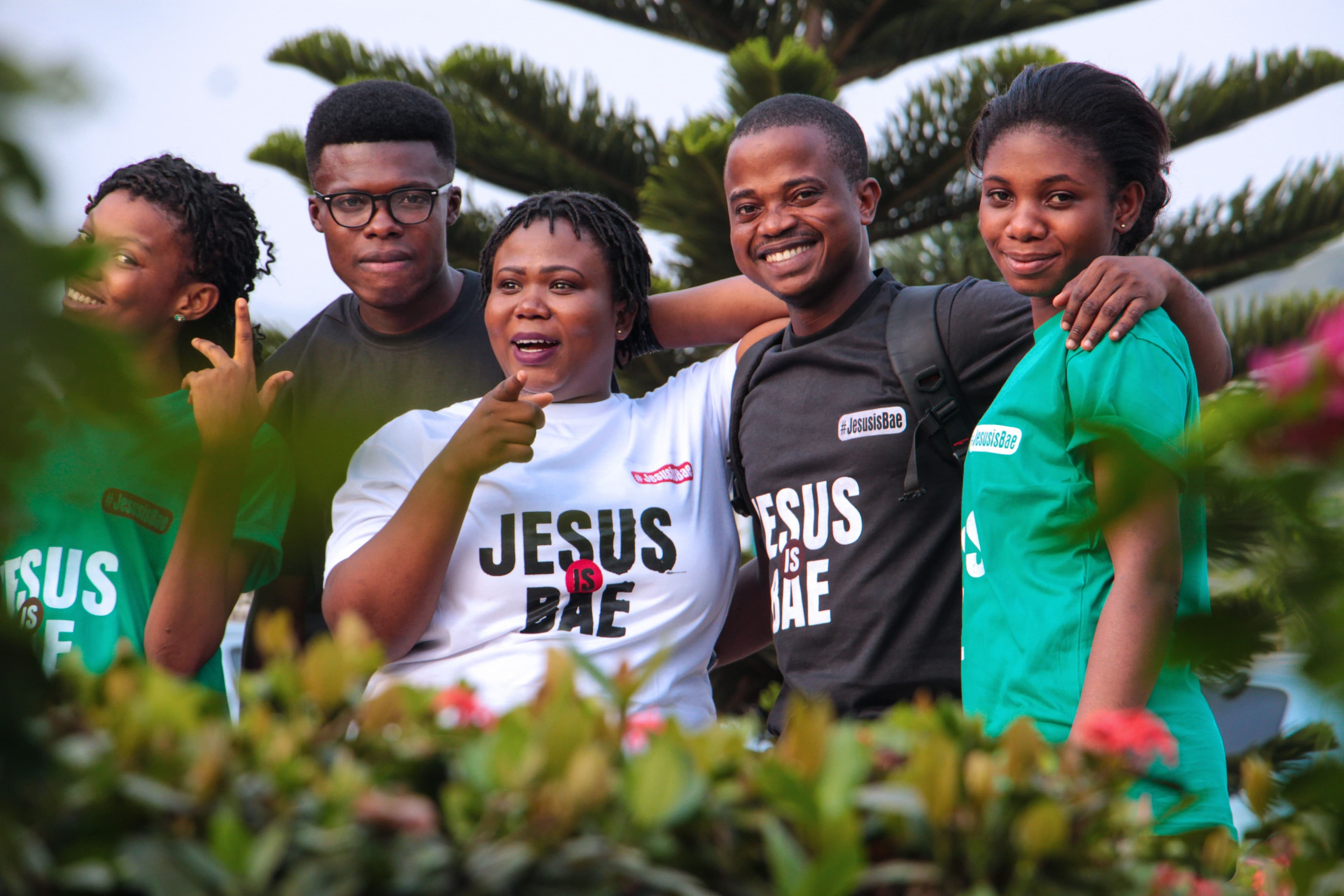

Just as we say copy and paste, in and out, or nooks and crannies, there is a pairing that feels just as fixed: Africans and religion. Described as the most religious continent in the world, Africa as seeking the divine is woven into its cultures, rituals and daily life.
For early communities, life was organised around their relationship with the environment. Over time, religion became central to those relationships. It shaped laws, ethics, art and community structures until it seemed almost inseparable from African life.
A Continent of Multiple Faiths
Before the arrival of Christianity and Islam, Africa was home to diverse and fervent spiritual traditions. When Christianity arrived, it spread rapidly across the continent through missionary activity and, in some regions, alongside colonial expansion. Because it was presented as peaceful and accommodating, many people embraced it willingly, while others were pressured or compelled to abandon aspects of their indigenous beliefs.
Islam followed a similar path. Kingdoms and communities in North, West and East Africa were influenced by Islamic scholarship and reformist movements, and this cemented Islam in many parts of the continent over the years.
In both cases, faith was passed from generation to generation, but never remained in stasis. Belief systems adapted.
Faith Meets Science, Technology and Social Media
As much of the West leaned into science, technology and secular institutions, religious observance in some societies declined. Doctrines are becoming less rigid and personal interpretation is growing. Also, the advent of social media and the circulation of different views on its platforms have accelerated this shift. Young Africans now encounter theology, scepticism, indigenous thought and global perspectives side by side on the same timeline. This results in a generation that is less dogmatic, more curious and more questioning.
The Changing Face of the Church and Mosque
Despite these changes, Christianity in Africa has not slowed its institutional growth. The number of churches continues to rise. But many churches have relaxed certain doctrines compared to 30 years ago. Some founders have retracted earlier claims while, in other cases, some religious leaders have used humour and popular culture to address doctrine, prompting congregations to question what was once accepted without debate.
The same dynamism is found in Islamic communities, where youth-led discussions, online scholarship and local contexts are reshaping how faith is taught and practised.
What Comes Next
Religion remains deeply rooted in African life, but the way Africans relate to it is gradually transforming. The younger generation is growing up in a world where indigenous spirituality, Christianity, Islam, science, technology and social media coexist and influence one another. Although they still turn to faith for solace, identity and community, their attitude towards doctrine is more personal, more lenient, and more selective.
This does not signal the disappearance of religion. It signals its reinvention.
Africa and religion may still be a renowned pairing, but faith will not be practised exactly as it was a generation ago. The future is less about decline and more about balance: between tradition and innovation, between faith and knowledge, between culture and the realities of a modern world.