
African ancestry has always depended on agriculture for food and survival. Before advancements in medical science, Africans would obtain farm produce, wash it thoroughly, and, in some cases, cook it properly to reduce harmful microorganisms before consumption. Although these practices could not eliminate bacteria and other pathogens, they served the basic purpose of making food safer.
The invention and advancement of processed foods and drinks have also brought concerns about food safety and the potential health risks associated with certain products. In the past, determining whether a fruit was bad depended largely on its physical condition, especially when ripe. That is not always the case with processed foods. Take packaged groceries, for instance: they usually carry manufacturing dates, shelf-life information, best-before dates, and expiry dates. These details are intended to inform consumers about quality and suitability for consumption. However, changes in the physical state of some products may not always be obvious, leaving consumers to rely on information printed on labels, which can also be falsified.
NAFDAC's Regulatory Role
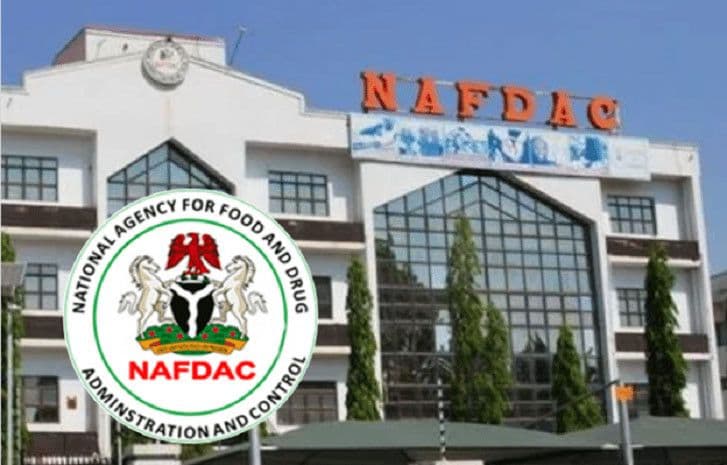
The National Agency for Food and Drug Administration and Control, NAFDAC, is the body tasked with regulating food, drugs, and other products consumed or used daily by Nigerians. The agency is responsible not only for regulatory assessments and product registration but also for enforcing compliance, investigating violations, and shutting down facilities involved in the production or distribution of unsafe, counterfeit, and substandard products. However, these measures have not completely stopped the circulation of fake products in Nigerian markets.
The Growing Trend of Counterfeiting
The production of fake food, drinks and drugs is increasingly becoming a serious public concern, with organised networks of counterfeiters operating in different parts of the country. Major markets appear to be saturated with these products, while identifying them is becoming increasingly difficult for ordinary consumers. A video recently circulated on social media showed what appeared to be sophisticated operations involving the refurbishment of alcoholic and non-alcoholic drinks. According to reports surrounding such operations, perpetrators collect used bottles, including those discarded after parties, refill them and apply new labels before returning them to circulation. Some operations have also allegedly involved the use of unsafe quantities of alcohol or other substances in the production of counterfeit drinks for distribution to shops and markets.
These revelations, alongside other reports and videos showing suspected adulteration of everyday products such as soft drinks and fruit juices, have raised serious concerns about the safety of products available to consumers. Beyond the financial loss suffered by unsuspecting buyers, the circulation of adulterated food and drinks poses potential risks to public health.
Enforcement and Safety Alerts
With reports of fake drugs and drinks becoming increasingly worrying, NAFDAC has continued to issue safety alerts, identify suspicious products and take enforcement action against businesses found violating applicable regulations. The agency has also published warnings about specific medicines and products that consumers should avoid. Several pharmacies, factories and other facilities have faced enforcement action over the sale or production of non-compliant products.
On 17 June 2026, NAFDAC disclosed that cosmetics, food and beverages accounted for more than 50 per cent of the counterfeit products confiscated by the agency. The disclosure was made during a press conference marking the 2026 International Anti-Counterfeit Month. The agency also reported that it had seized fake and substandard medicines containing incorrect ingredients, insufficient quantities of active pharmaceutical ingredients or no active ingredients at all.
In a further indication of the scale of its surveillance activities, NAFDAC announced on 7 September 2026 that it had removed 7,210 regulated products from circulation after visiting 6,233 facilities across Nigeria's 36 states and the Federal Capital Territory between May and July 2026. The products covered several categories, including food and water, drugs and herbal products, cosmetics, medical devices, chemicals, and vaccines and biologics. Food and water accounted for the highest number of products removed, with 3,633 recorded during the exercise. Although these figures demonstrate the extent of the agency's enforcement activities, they should not be interpreted as meaning that all 7,210 products were counterfeit, as the category also included substandard and other non-compliant products.
Public Perception and the Role of Social Media
The Director-General of NAFDAC, Professor Mojisola Adeyeye, has repeatedly raised concerns about the circulation of fake and substandard products in Nigerian markets. However, she has also cautioned against concluding the safety of products based solely on unverified social media claims.
Speaking at the 50th Conference and Annual General Meeting of the Nigerian Institute of Food Science and Technology, NIFST, in Lagos on 13 October 2026, Adeyeye challenged viral social media reports alleging the widespread circulation of fake and substandard food products. She said:
"Many of those videos seen on social media are untrue. Nigerians have to be careful regarding what they see posted on social media because many are simply posting untrue things there."
Her remarks have added another dimension to the ongoing debate about food safety and the circulation of counterfeit products in Nigeria. While the agency has continued to report seizures and enforcement operations, the Director-General has urged Nigerians to exercise caution before accepting social media allegations as facts. The challenge, therefore, lies in balancing public awareness with the need for proper investigation and scientific verification.
Nevertheless, these statements have not ended public concern, as videos showing suspected fake and adulterated products continue to circulate on social media. For many consumers, the central question remains how to distinguish genuine products from counterfeit ones, particularly when packaging, labels and registration details appear authentic.
Shared Responsibility and the Way Forward
The growing concern also raises questions about the effectiveness of existing enforcement measures, the accessibility of reliable product information and the level of public awareness about food safety. While NAFDAC remains central to the regulation of these products, the responsibility for tackling counterfeiting also extends to manufacturers, distributors, retailers and other relevant authorities. Businesses must ensure that the products they introduce into the market meet required standards, while distributors and retailers must exercise due diligence before placing products on their shelves.
Ultimately, the fight against fake food and drink products cannot be left to NAFDAC alone. The agency must continue to strengthen surveillance, investigate credible complaints, prosecute offenders where evidence supports prosecution, and provide timely, transparent information about products found to be unsafe or non-compliant. At the same time, consumers need access to clear guidance on identifying suspicious products and reporting them through appropriate channels.
The concern is no longer simply about the existence of fake products, but about the growing difficulty consumers face in knowing what they can safely buy and consume. In a market where counterfeiters can reproduce packaging and labels convincingly, public confidence cannot be restored through warnings alone. It requires consistent enforcement, credible information, accountability, and cooperation between regulators, businesses, and consumers. Until these measures produce visible and sustained results, the circulation of suspected fake food and drinks will remain a source of anxiety for Nigerians, who should not have to question the authenticity of every product they purchase for everyday consumption.