

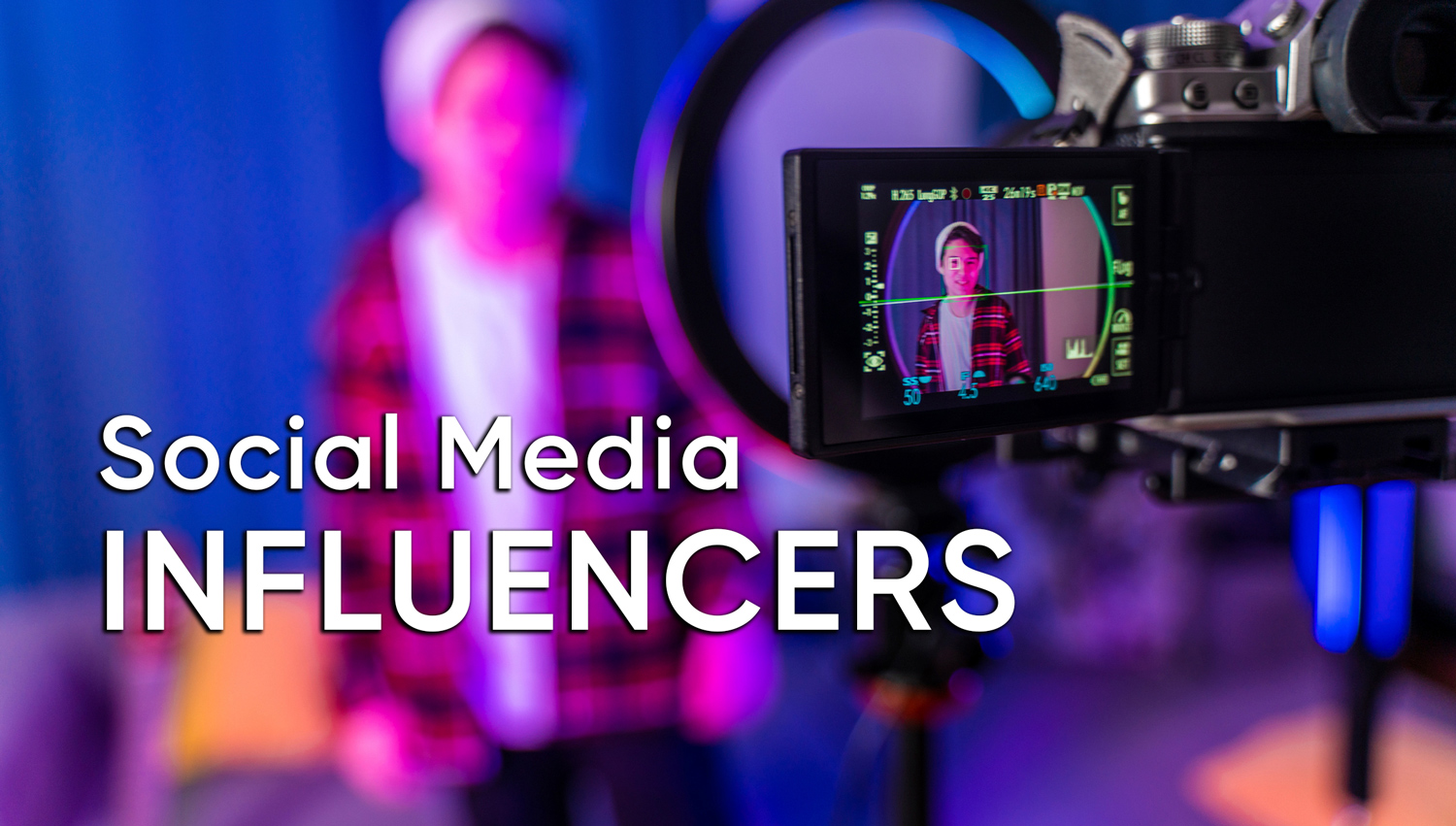
In a world where everyone buys something every day, attention is the real currency. That’s why marketing and advertising itself has become one of the biggest businesses of our time.
Over the years, marketing and advertising have evolved significantly. Early marketing took place in marketplaces during the era of barter and exchange, where people went directly to the market to acquire what they needed. Then came the age of industrialization, which gave rise to modern sales and marketing. Automobile manufacturers and household appliance companies needed to attract more customers, so brands became increasingly intentional about how they promoted their products. The invention of television further transformed the industry, ushering in a new era of mass advertising. Banks and manufacturers of everyday consumer goods began producing visually appealing, product-oriented advertisements designed to capture public attention.
For decades, the marketing and advertising industry had one primary goal: visibility. The objective was to make a product or service attractive and memorable, turning brands into household names. To achieve this, companies relied on models and actors to tell compelling stories. Humans naturally relate to what feels familiar, so recognizable faces appeared on billboards and television screens, while celebrities became brand ambassadors, lending credibility and appeal to products and services.
Today, the industry has evolved even further. Marketing is moving beyond billboards and television screens into the influencer age.
The rise of social media has introduced an entirely different approach to marketing and advertising. The reason is simple: the widespread use of smartphones and other smart devices has led people to spend more time on social media than ever before. Recognizing this shift, brands have moved their marketing efforts into the digital space. What better way to reach an audience than through a familiar face with a large online following? Social media influencers have become the new-age celebrities, and new celebrities are born every day. Sometimes, all it takes is one viral post followed by consistent engagement to become an internet sensation. Once an individual gathers millions of followers, brands quickly seek partnerships to promote their products or services, leveraging that influence to gain greater visibility among their target audience.
So, who is an influencer?
Technically, the answer is quite simple. An influencer is anyone on social media with a substantial following, often tens of thousands of followers or more, whose content consistently attracts significant engagement through likes, views, comments, and shares. For some, influencer status comes almost overnight through a single viral post. For others, it is achieved gradually by consistently creating content that attracts and retains an audience. In some cases, people even purchase social media accounts with large followings, demonstrating that, at least technically, almost anyone can become an influencer.
In today's marketing landscape, brands place greater emphasis on content and how audiences perceive it. Influencers create content with the specific intention of shaping their followers' perception of a product, service, or brand. This allows companies to communicate with highly targeted audiences, while social media algorithms amplify that content, extending its reach far beyond an influencer's immediate followers.
The focus of this new form of marketing and advertising, commonly referred to as influencer marketing, is no longer just to sell a product, but to shape perception, build trust, and create authentic connections between brands and consumers. Unlike traditional advertising, which often relied on polished campaigns and celebrity endorsements, influencer marketing thrives on relatability and everyday interactions. People are more likely to trust recommendations from personalities they follow regularly than from conventional advertisements.
As technology continues to evolve, so too will the methods of marketing and advertising. While the platforms may change and new trends will undoubtedly emerge, one principle will remain constant: businesses will always seek to reach people where their attention is. In today's digital world, attention has become the most valuable commodity, and influence has become one of the most powerful marketing tools.