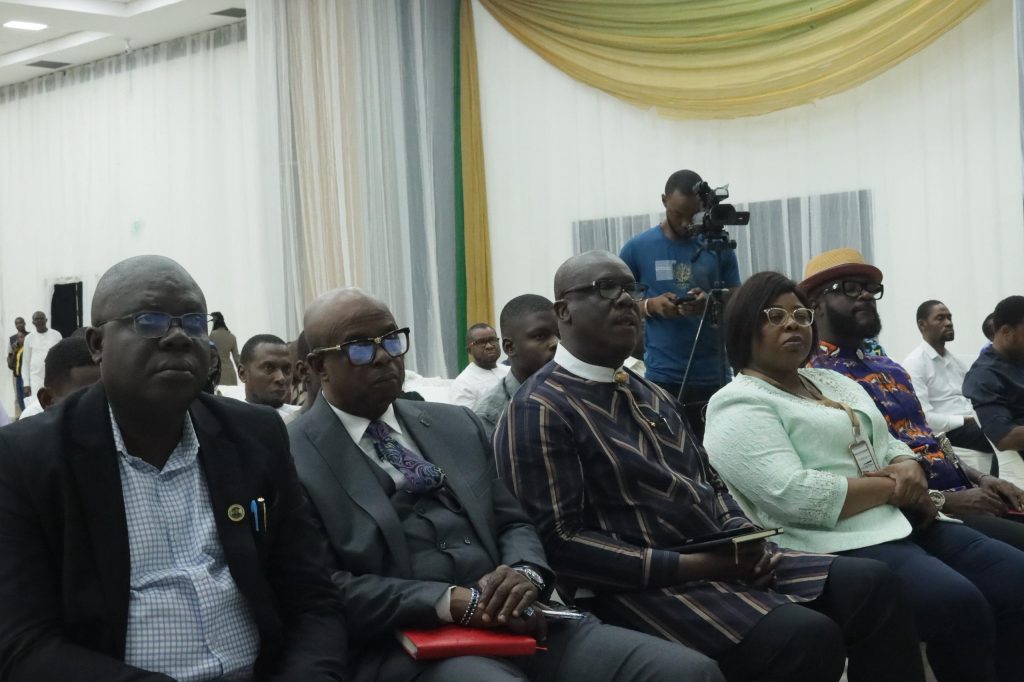

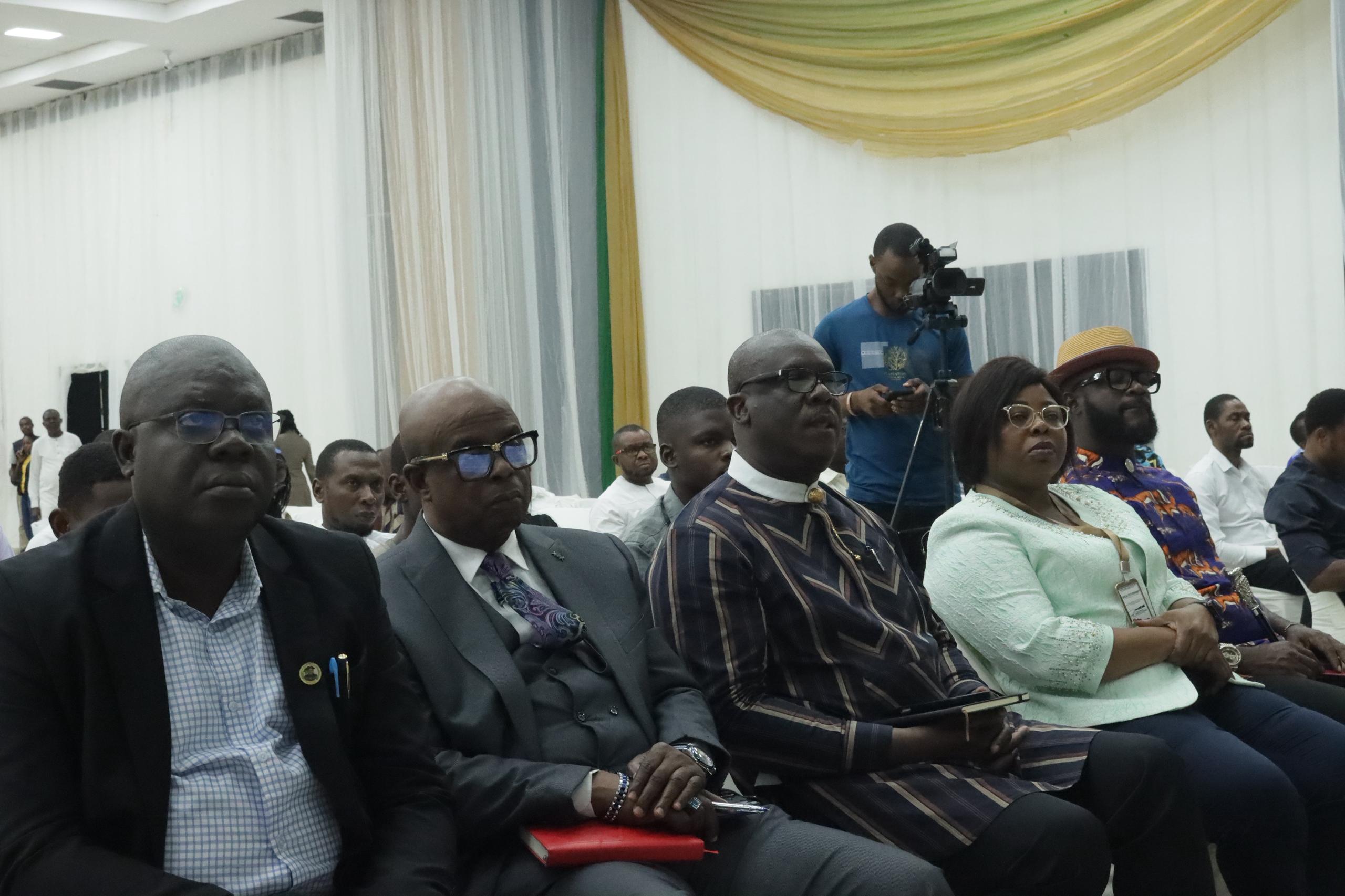
On April 8, 2026, stakeholders gathered at the Banquet Hall in Yenagoa to examine a critical issue shaping Bayelsa State’s future: electricity. With the theme focused on transitioning from legal frameworks to real implementation, the session brought together regulators, policymakers, and industry experts to map out a workable electricity market for the state.
Opening the event, Hon. A. Adigio emphasized a clear message – electricity is central to Bayelsa’s “Assured Prosperity” agenda. According to him, no meaningful industrial growth can happen without reliable power. He stressed that this meeting was not a one-off event but part of an ongoing effort to ensure policies are not just written but executed. He also highlighted that the Bayelsa Electricity Regulatory Authority (BYERA) has been licensed to regulate the state’s electricity market, noting that commercial activities thrive best when states take responsibility for power generation.
In the first session, BYERA’s Director General, Dr. Dressman Rosalyn Keremah, laid out the real-life implications of poor electricity supply. She explained how unstable power increases food prices due to poor storage, limits children’s ability to study, disrupts hospital operations, and stalls businesses. She clarified BYERA’s authority, particularly its role in licensing, economic regulation, and consumer protection. The agency is responsible for approving tariffs, ensuring no operator arbitrarily increases prices, and addressing issues like billing accuracy and consumer complaints. Importantly, BYERA will also oversee the transition of existing operators into the new state-controlled framework.
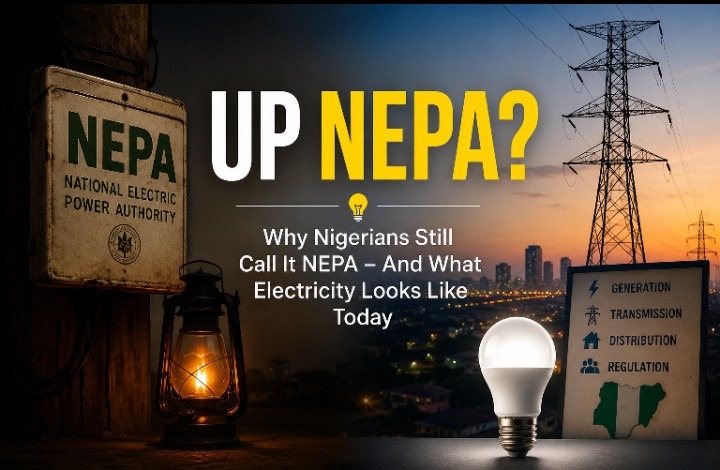
The second session, led by Barr. Opuada, traced the evolution of Nigeria’s electricity market to provide context for current reforms. The journey began between 1950 and 1972 with a dual structure involving generation and transmission bodies. This evolved into a fully government-owned system under NEPA from 1972 to 2005, which was marked by inefficiency. The PHCN era followed (2005–2013), leading to the unbundling of the sector into 18 companies. Privatization between 2013 and 2017 transferred distribution companies to private investors, while the period from 2017 to 2022 introduced partial liberalization, including mini-grid regulations and eligible customer policies. The Electricity Act of 2023 marked a turning point by decentralizing the market and allowing states like Bayelsa to play a stronger role.
Barr. Opuada also explained the licensing structure. Authorization is mandatory for participating in the electricity market, with violations attracting penalties of up to ₦10 million and additional daily fines. Licenses include generation, transmission, distribution, supply, trading, and system operation. Permits apply to smaller activities below 1MW, while registration is required for minimal operations. BYERA handles intrastate activities, while federal authorities regulate interstate operations.
Obtaining a license involves identifying the correct category, confirming jurisdiction, preparing technical and financial documentation, and publishing a public notice for objections. Required documents include incorporation certificates, tax clearance, feasibility studies, and business plans. Licenses last 20 years and are renewable, though they can be revoked if obligations are not met.
In the third session, Dr. Cameron Waya addressed tariffs, consumer protection, and market oversight. He defined electricity tariffs as the cost paid by consumers and identified key challenges such as inflation, subsidy burdens, low revenue collection, and grid instability. He noted that while subsidies help consumers, they also strain government finances.
Consumer protection, he explained, is about balancing power between providers and users through transparency and fair pricing. Key issues include estimated billing, illegal disconnections, poor infrastructure, and inaccurate tariffs. The introduction of service-based tariff “bands” aims to address these concerns. Consumers have rights, including access to meters, the ability to dispute bills, compensation, and access to information.
Complaint resolution mechanisms include customer service units and alternative dispute resolution systems. Compliance, another critical area, ensures that all operators follow established laws and standards. Market oversight, carried out by regulators, focuses on maintaining transparency, fairness, efficiency, and consumer protection through continuous monitoring and enforcement.
The final session, led by Engr. Obinna Okeke, focused on transition pathways and integrating existing operators. He described the electricity sector as a value chain where every component (generation, transmission, and distribution) is interconnected. Rather than dismantling existing systems, the approach is to gradually integrate them into the new framework.
He highlighted key challenges, including a ₦34 billion debt owed by PHED, widespread electricity theft, tariff structuring difficulties, and a significant metering gap. For instance, Band D consumers receive about 8 hours of power daily but pay far below actual costs due to government subsidies. This imbalance complicates investment and sustainability.
Despite these challenges, progress is underway. Existing operators will coexist with new entrants, and consumers may have options between different providers. Meter deployment is expected to begin with 5,000 units, and billing systems are shifting from estimated billing to capped models based on supply levels.
In conclusion, the transition to a state-driven electricity market in Bayelsa is both necessary and complex. Success will depend on effective regulation, stakeholder collaboration, gradual implementation, and strong monitoring systems. If executed properly, it could unlock industrial growth and transform the state’s economic landscape.